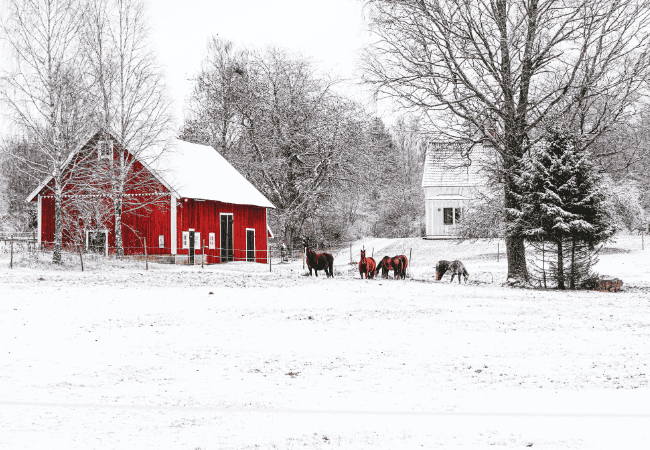

If you’re new to New England, you learn quickly: winter isn’t just a season—it’s a whole personality.
Snow storms, ice, surprise school delays, early sunsets—suddenly your home has to work a lot harder to keep you warm, safe, and comfortable. And if this is your first real New England winter as a homeowner, it can feel a bit overwhelming.
At Profound Real Estate, we work with many buyers who are settling into New England for the first time. The same questions come up every year:
-
“How do I protect my pipes?”
-
“What should I do before a storm hits?”
-
“Is my home actually ready for this?”
This guide is a straightforward, practical winter survival manual so you can not only get through your first cold season—but actually feel confident and prepared.
1. Before It Gets Really Cold: Winter Prep You’ll Be Glad You Did
A little prep in late fall or early winter will save you money, stress, and last-minute emergencies. Think of this as your “set it up now so you can relax later” checklist.
Service your heating system
Whether your home uses oil, gas, electric, or a heat pump:
-
Schedule a professional service for your furnace, boiler, or heating system.
-
Change filters regularly.
-
Learn where your emergency shutoff is and how to use it.
This is essential for both comfort and efficiency.
Find and fix drafts
Cold air sneaking in means heat—and money—going out.
-
Add or replace weatherstripping around doors and windows.
-
Use draft stoppers at exterior doors.
-
Check insulation in the attic and basement; these spaces have a big impact on how your home holds heat.
Even small improvements can make a noticeable difference on the coldest days.
Protect your pipes
Frozen pipes are one “winter surprise” you definitely want to avoid.
-
Disconnect garden hoses and shut off exterior water lines, if your home has those valves.
-
Add pipe insulation to exposed pipes in basements, crawl spaces, and unheated areas.
-
On the coldest nights, let a small trickle of water run from faucets on exterior walls and open cabinet doors under sinks to let warm air circulate.
It’s simple prevention that can save you from major headaches later.
Give your roof and gutters some attention
Ice dams (ice that builds up along the edge of your roof) can lead to leaks and damage.
-
Clear leaves and debris from gutters so melting snow can drain properly.
-
Make sure downspouts direct water away from your foundation.
-
If your roof is older or you see big icicles forming, consider having a professional check things out.
Fireplace & chimney check (if you have one)
If you’re planning on using a wood-burning fireplace:
-
Have your chimney inspected and cleaned.
-
Use a proper screen or doors.
-
Store firewood in a dry spot, off the ground.
Then you can enjoy the cozy fires with peace of mind.
2. Everyday Habits That Make Winter Easier (and Cozier)
Once winter settles in, a few simple habits help keep your home comfortable and your days running smoothly.
Use your thermostat strategically
Constantly cranking the heat up and down makes your system work harder.
-
Choose a comfortable temperature range and keep it fairly steady.
-
Consider a programmable or smart thermostat to automatically lower temps slightly at night or while you’re out—without letting the house get too cold.
-
Avoid big temperature swings that can increase the risk of frozen pipes.
Consistency is your friend here.
Manage dry indoor air
Heated indoor air can be very dry.
-
Use a humidifier in bedrooms and main living areas.
-
Watch for condensation on windows; you’re aiming for balanced humidity.
Your skin, sinuses, and overall comfort will thank you.
Stay on top of snow and ice outside
This is about safety first.
-
Keep a shovel or snowblower ready and in working order.
-
Use ice melt or sand on steps and walkways (pet-safe options are available if you have animals).
-
Clear paths to exits, your mailbox, and any fuel or utility access points.
You’ll be glad you handled it early instead of scrambling when you’re trying to leave the house.
Use your ceiling fans (yes, in winter)
If you have ceiling fans, set them to winter mode so they gently push warm air down without creating a draft. It helps keep rooms more evenly heated.
3. Winter Safety: Storms, Power Outages, and Slippery Conditions
New England storms can be intense, but with a plan in place, they’re much easier to handle.
Build a simple home emergency kit
You don’t need to go overboard—just be ready if the power goes out for a while.
Include items like:
-
Flashlights and extra batteries
-
Battery-powered or crank radio
-
Phone chargers and backup battery packs
-
Bottled water and nonperishable snacks
-
Warm blankets and layers
-
Basic first aid supplies
-
Candles and matches/lighters in safe holders
A basic kit adds a lot of peace of mind.
Winter kit for your car
If you’re driving in winter here, prepare for delays or getting stuck.
-
Ice scraper and snow brush
-
Small shovel
-
Sand or kitty litter for traction
-
Jumper cables
-
Warm blanket, hat, and gloves
-
Phone charger for the car
This is especially helpful if you commute or drive on less-traveled roads.
Check smoke and carbon monoxide detectors
Heating systems, fireplaces, and generators increase carbon monoxide risk.
-
Test smoke and CO detectors regularly.
-
Replace batteries as needed.
-
Make sure exterior vents are clear of snow and ice.
This is a quick task that makes a big safety difference.
Generator safety (if you have one)
If your home uses a generator:
-
Always run it outside, away from windows and doors.
-
Never use it in a garage, even with the door open.
-
Follow the manufacturer’s instructions carefully.
4. Winter Can Be Beautiful—Give Yourself Permission to Enjoy It
Yes, winter requires work. But it can also be one of the most beautiful and memorable seasons if you lean into what it offers.
Find your “this makes winter worth it” activity
That might be:
-
Skiing or snowboarding
-
Ice skating or snowshoeing
-
Sledding with friends or family
-
Local winter festivals, markets, or holiday events
Ask neighbors, check town websites, or follow local businesses and community pages—there’s often more happening than you’d expect.
Make your home a winter retreat
If you’re spending more time indoors, make it a place you actually enjoy being in:
-
Layer your lighting with lamps, warm bulbs, and maybe a few string lights.
-
Add soft blankets, throw pillows, and area rugs.
-
Create a cozy reading corner or a “hot drink station” with tea, cocoa, or coffee.
Small touches can completely change how your home feels.
Take care of your mindset, too
Shorter days and gray skies can affect your mood.
-
Open blinds and curtains fully during the day to let in as much natural light as possible.
-
Even a short walk outside can help reset your energy.
-
Keep some movement in your routine—anything from stretching to a quick home workout helps.
5. Choosing a Winter-Friendly Home (Now or in the Future)
If you’re house hunting—or thinking ahead to your next move—how a home performs in winter should be part of the conversation.
What to look for in a home that handles winter well
When you’re touring properties, pay attention to:
-
Heating system – Type, age, and maintenance history.
-
Insulation & windows – Drafty or tight? Older single-pane windows or newer, efficient ones?
-
Roof – Age and visible condition, especially in snow-prone areas.
-
Driveway & parking – Steep or flat, room for snow piles, and safe entry/exit on icy days.
-
Entry spaces – A mudroom or practical entry where boots, coats, and gear can live.
-
Basement – Any signs of past water or moisture issues.
These features matter a lot once winter really sets in.
How Profound Real Estate supports you
Our role isn’t just to help you buy or sell a house—it’s to help you feel confident living in it, year-round.
We can:
-
Talk through how well a property is likely to handle a New England winter.
-
Help you prioritize features that match your lifestyle and budget.
-
Connect you with trusted local professionals for heating, insulation, roofing, or general maintenance.
We’re here to be a long-term resource, not just a one-time transaction.
You’ve Got This (And You Don’t Have to Figure It Out Alone)
Your first New England winter as a homeowner might feel intimidating, but with some preparation and a clear plan, it becomes much more manageable—and maybe even enjoyable.
With a little upfront work, a few smart habits, and a realistic approach to storms and cold snaps, winter turns into something you can handle with confidence.
If you’re:
-
New to New England,
-
Thinking about buying here, or
-
Already in your home but not sure it’s truly winter-ready,
The team at Profound Real Estate is here to help. We’re happy to answer questions, share local resources, and guide you through decisions that feel good now and in the long run.
When you’re ready to talk about your next step—whether that’s buying, selling, or simply getting more comfortable where you are—we’re just a conversation away.